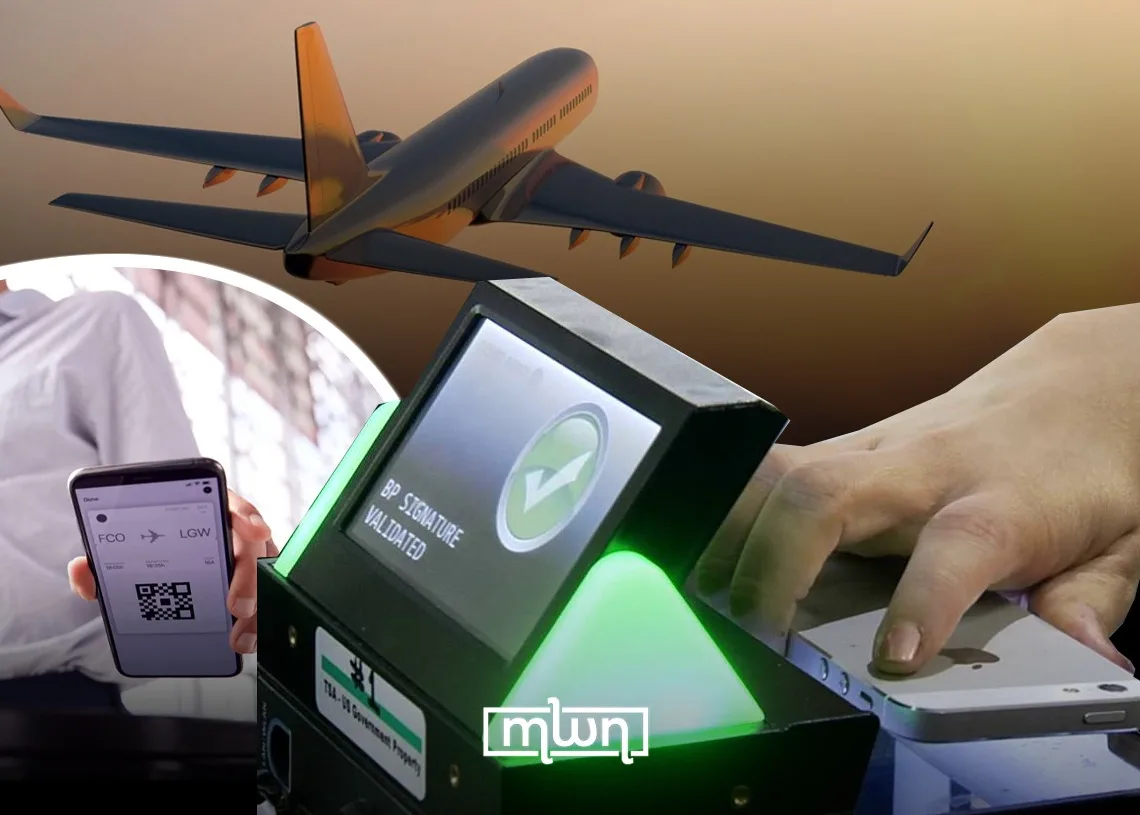
The initiative, known as Pax Check, is being introduced across the airport network as part of the operator’s wider digital transformation strategy. It replaces printed boarding passes with secure QR codes, making the passenger journey faster and more convenient.
After completing online check-in through their airline’s website or mobile app, passengers receive a secure QR code on their phone. The code serves as their boarding pass and can be scanned at airport checkpoints and automated boarding gates.
Airport officials said the system reflects the growing role of smartphones throughout the travel journey, from booking flights and checking in to receiving real-time flight updates.
Because airlines verify passenger documents electronically before arrival at the airport, travelers can pass through security and boarding control without presenting a printed boarding pass. The digital process is designed to reduce queues, minimize document handling, and improve passenger flow throughout airport terminals.
The move also supports Morocco Airports’ sustainability efforts by reducing paper consumption while delivering a more seamless travel experience.
Officials emphasized that the digital boarding process complies with all national and international aviation security requirements. The introduction of Pax Check does not alter existing security procedures but modernizes how passengers access them.
The rollout will take place gradually, with airlines joining the system once they meet the required technical, operational, and regulatory standards for integration.
Morocco Airports said the launch of digital boarding passes is only the first stage of a broader airport digitalization program. Future enhancements are expected to further automate passenger processing as air traffic continues to grow.
The initiative aligns Morocco’s airports with a growing number of international hubs adopting mobile-first technologies to reduce friction and improve the customer experience. As airlines and airports increasingly invest in contactless services, smartphone-based boarding is becoming a standard feature of modern air travel.

