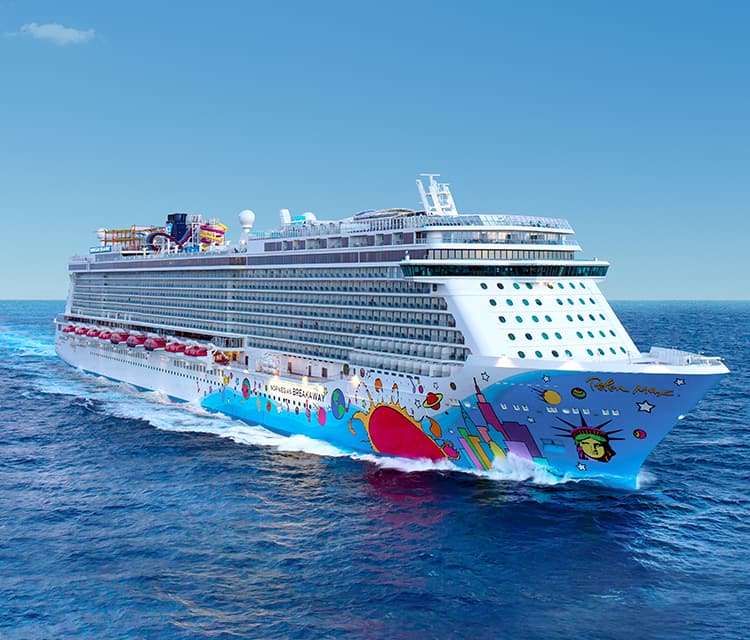
Cruise Demand Declines Amid Economic Concerns
The U.S. cruise industry has seen a drop in consumer demand, particularly for high-end cruises. Many consumers are curbing their discretionary spending, leading to fewer bookings for expensive sea vacations. This trend is especially notable as inflation and uncertainty surrounding tariffs continue to affect travel behavior. Post-pandemic, there was a surge in cruise bookings, but the recent economic slowdown has brought these numbers back down.
In particular, fluctuating fuel prices—exacerbated by geopolitical instability, including tensions in the Middle East—have added to the pressure on cruise operators. Norwegian Cruise Line has also faced higher costs related to ship maintenance and drydocks. On top of these factors, the ongoing U.S. government shutdown has led to disruptions in port activities, further affecting American consumers’ travel plans.
The Impact of Inflation and Tariff Uncertainty on Cruise Bookings
Rising inflation and uncertainty surrounding tariffs have taken a toll on cruise bookings in the U.S. Consumers are reluctant to splurge on luxury vacations, particularly cruises, which can be costly when factoring in airfares, excursions, and other additional expenses. As a result, Norwegian Cruise Line has seen fewer participants in their air program, which helps passengers coordinate flights with cruise itineraries.
Despite these setbacks, Norwegian Cruise Line’s focus on improving its island destination—Great Stirrup Cay—could provide a much-needed boost. Investments in this private island destination are expected to increase demand and attract more vacationers in the future.
Key Metrics and Financial Outlook
For the third quarter, Norwegian Cruise Line’s revenue increase of 4.7% contrasted with analyst expectations of a 7.5% rise. While the company’s earnings per share exceeded analysts’ expectations at $1.20 (excluding certain items), they were still impacted by the overall revenue miss.
The rising cost of fuel per metric ton (net of hedges) also added to the financial strain. Norwegian Cruise Line’s fuel expenses rose from $699 to $744 per metric ton compared to last year. Despite this, the company is forecasting an adjusted profit of 27 cents per share for the current quarter, below analysts’ estimate of 30 cents.
However, the company remains optimistic about the full-year outlook. Norwegian Cruise Line expects its adjusted net income for the year to reach approximately $1.05 billion and has increased its adjusted profit forecast to $2.10 per share, up from the previous estimate of $2.05.
A Growing Trend of Costlier Cruises
Norwegian’s situation mirrors that of other major cruise lines, like Royal Caribbean, which has also raised its full-year profit forecast despite current-quarter struggles. The challenges of high operating costs and changing consumer habits seem to be a growing trend in the cruise industry.
Looking Forward: What It Means for Travelers
For global travelers, Norwegian Cruise Line’s recent performance highlights the impact of economic conditions on travel plans. As inflation and fluctuating fuel prices continue to affect prices, travelers looking to book cruises may face higher costs for their sea-based vacations. Despite this, opportunities remain for travelers to visit unique destinations, such as the company’s private island, Great Stirrup Cay, which has seen substantial upgrades to attract more visitors.
While the overall cruise industry may be facing a temporary downturn, future investment in key destinations and facilities could mean better experiences for those willing to navigate the cost challenges. For tourists planning vacations on the high seas, it is advisable to stay informed about price changes and plan accordingly.
Conclusion: Norwegian Cruise Line’s Ongoing Challenges
In conclusion, while Norwegian Cruise Line is working to adapt to a shifting travel market, it faces significant challenges from economic pressures, fluctuating costs, and government disruptions. Travelers looking for luxury cruises may need to prepare for higher prices, but with improvements to key destinations like Great Stirrup Cay, there are still exciting opportunities on the horizon.
As the cruise industry continues to evolve, the global travel community will need to stay agile and be aware of the fluctuating economic environment. Keeping an eye on government policies, economic trends, and the ongoing costs of cruising will help travelers plan more effectively for their next vacation.
Tags: The U.S. cruise industry, Norwegian Cruise Line Holdings (NCLH)

