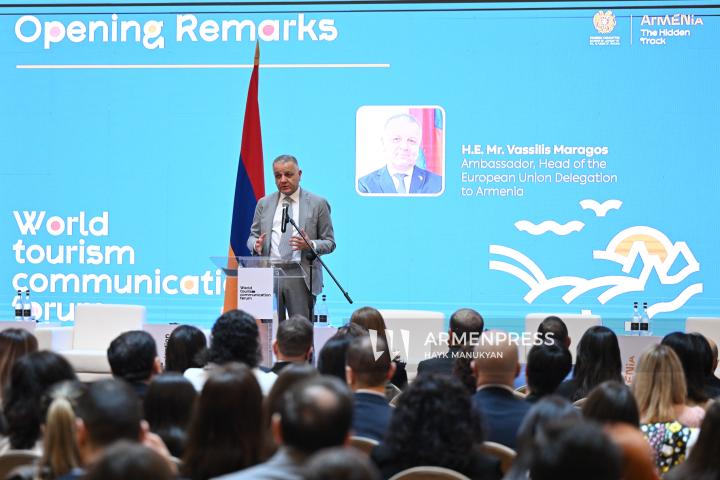
A Global Assembly for Constructive Dialogue
The gathering in Yerevan was characterized by the presence of a diverse and high-level constituency, underscoring the international significance being accorded to the event. The assembly was graced by the participation of esteemed ministers, representatives from various international organizations, leading figures within the tourism sector, academics and researchers, and professional media practitioners. It was a space intentionally created for the cross-pollination of ideas regarding how truly effective communication could be utilized to substantially enhance confidence, ensure universal inclusivity, and facilitate responsible, sustainable expansion within the tourism industry.
The Economic and Cultural Imperative of Travel
The economic underpinnings of the tourism industry were thoroughly addressed during the Forum, with particular emphasis placed on its role as a pivotal catalyst for financial growth. A significant statement regarding the sector’s importance was delivered by Vassilis Maragos, the Head of the European Union Delegation to Armenia. It was noted by him that tourism is consistently regarded as a principal engine of economic development throughout the European Union, a fact substantiated by its contribution of approximately ten per cent of all EU jobs and its generation of considerable added economic value. The perspective was offered that tourism is not simply an instrument for financial expansion but is also a powerful force for social progress, possessing the unique ability to strengthen connections and mutual understanding between disparate peoples and cultures across continents. This dual function, both economic and social, was frequently referenced as the core reason for giving the sector such strategic attention.
Specific praise was directed toward the host nation, with the enormous tourism potential inherent in Armenia being highly acknowledged. The country’s forward-looking framework was brought into focus when it was stated that high appreciation was held for Armenia’s tourism development strategy for 2026-2030. A notable endorsement was made when it was asserted that this strategic plan was considered to generally align and perfectly correspond with the broader goals of the EU’s New Partnership Agenda, confirming the country’s proactive approach to its own economic future. Furthermore, the tangible support provided by the EU was highlighted, with mention made that the EU Mission in Armenia actively backs various local initiatives.

