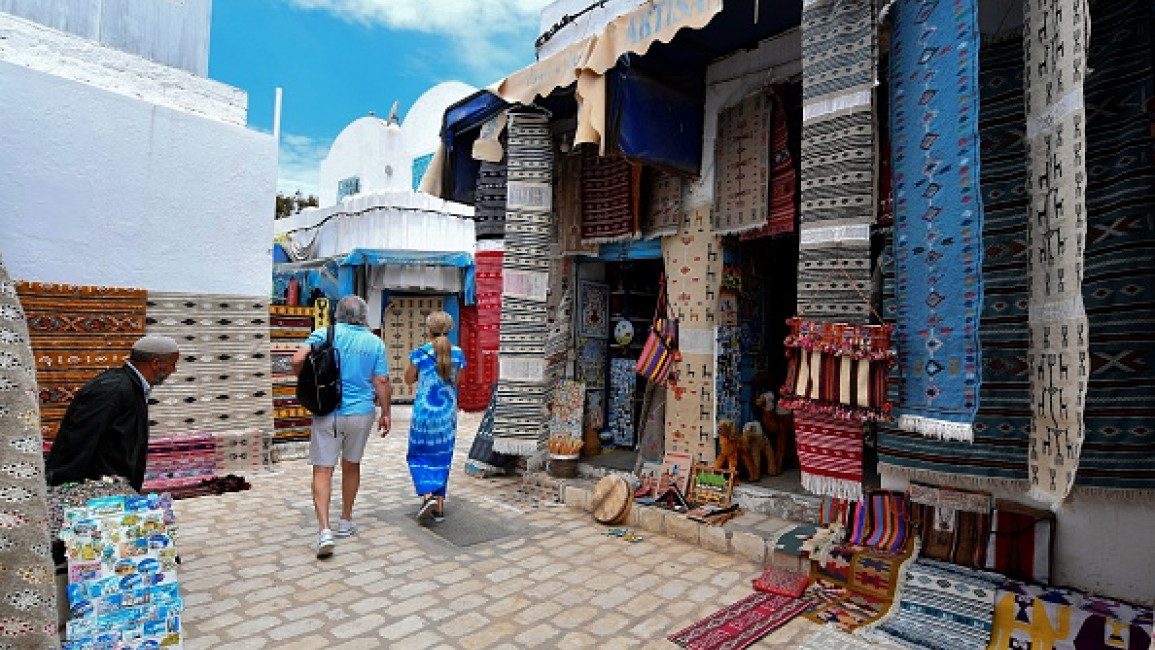
Djerba Island, covering an area of nearly 500 square kilometers (198 square miles) in the Gulf of Gabes on the Mediterranean Sea, is a popular destination for foreign tourists in Tunisia, with a population of around 160,000. The island is renowned for its religious diversity, featuring ancient mosques, churches, and synagogues alongside its natural landscapes.
One of Djerba’s notable attractions is the El Ghriba synagogue, constructed 2,400 years ago for Jewish prayers and rituals. The island’s rich cultural and historical heritage, coupled with its natural beauty, makes it a significant addition to UNESCO’s list of World Heritage Sites.
Tunisia’s other UNESCO World Heritage Sites include the Amphitheatre of El Jem site, the Archaeological Site of Carthage, the Medina of Tunis, the Ichkeul National Park, the Punic Town of Kerkuane and its Necropolis, Kairouan, the Medina of Sousse, and the Dougga archaeological site. These sites collectively showcase Tunisia’s historical, architectural, and natural treasures.

