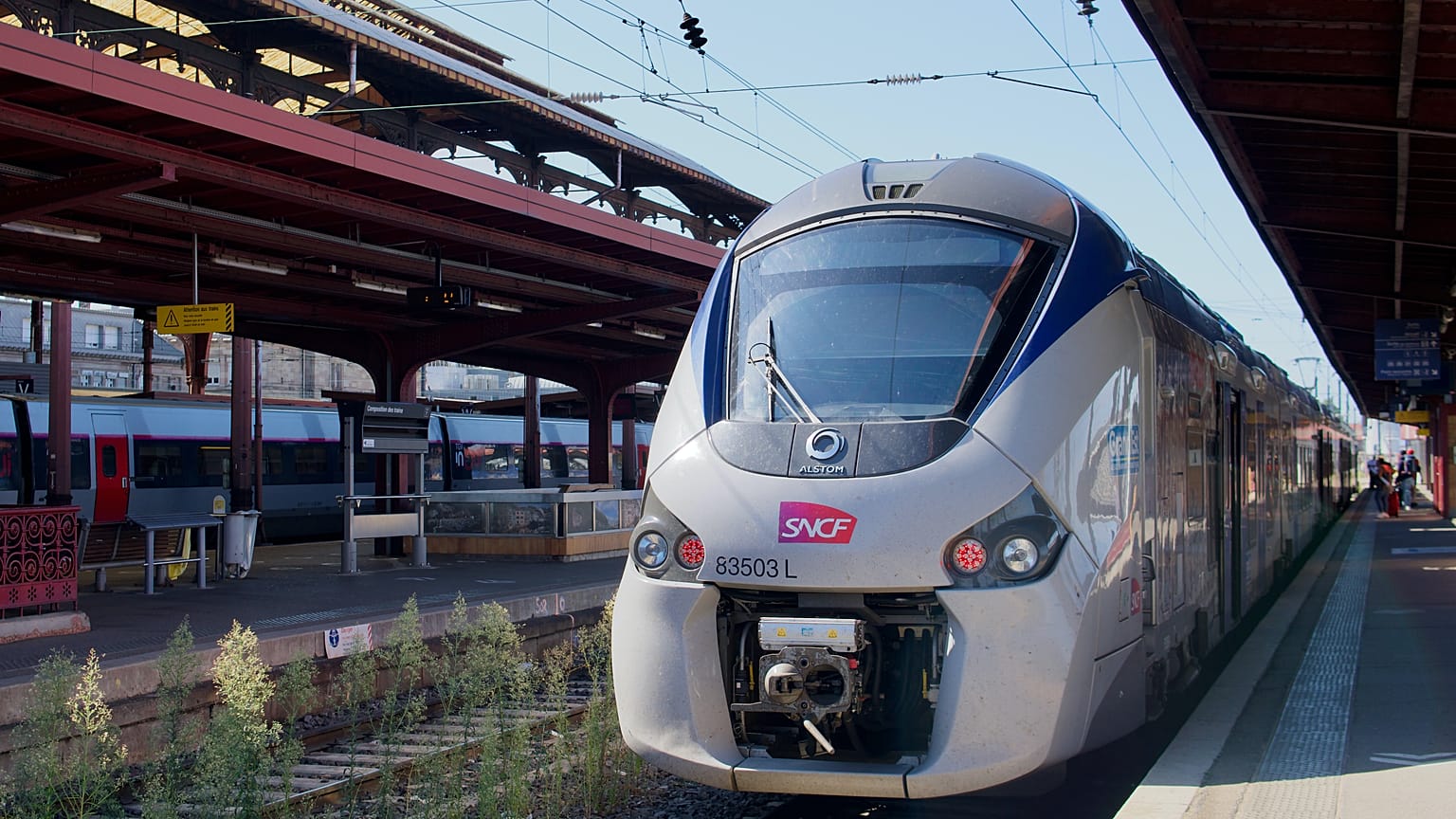
Competitors to SNCF are consequently calling for access to its dominant ticketing platform, SNCF Connect, arguing that limited visibility is restricting competition and consumer choice.
According to the Association Française du Rail (AFRA), the issue has become “central” to the development of rail services in France. While alternative high-speed operators such as Trenitalia and Renfe are steadily increasing services, their tickets remain absent from SNCF Connect, which is estimated to control around 85% of the French rail distribution market.
Passengers unaware of the existing competition
Passengers can find these alternative services on third-party platforms like Trainline or Kombo, but these channels lack the brand awareness and user base of SNCF Connect. As a result, AFRA argues, many travelers are simply unaware of competing offers.

Solène Garcin-Berson, AFRA General Delegate (Photo: AFRA)
“It is unacceptable that trains operated by alternative companies run with empty seats while passengers either stay home, drive, or even fly because they cannot see these options,” said AFRA’s General Delegate Solène Garcin-Berson.
Lower visibility is directly impacting load factors, which remain significantly below those of the incumbent operator.
AFRA also warns of “captive passengers,” claiming SNCF Connect’s dominance limits competition and keeps fares artificially high. Opening up the platform, the association says, would not only improve transparency but also support purchasing power by allowing travelers to compare all available rail options in one place. Even SNCF Connect could benefit financially by earning commissions as a distribution platform.
The association is now urging lawmakers to address the issue in the upcoming transport legislation, expected to be debated in the Senate. Despite increased services—such as Trenitalia’s 14 daily round trips to Lyon, representing roughly 20% of capacity on the route—market share for new entrants remains marginal, hovering around 1% in passenger-kilometers in 2024.
AFRA is also pushing for better integration of multi-operator journeys. Travelers should not have to switch between platforms to complete a single trip, it argues, and ticketing systems should support seamless connections and combined bookings, including guarantees in case of missed transfers.
SNCF not keen to open its ticketing platform to competition
For its part, SNCF maintains that opening SNCF Connect to competitors is “not a priority.” The company argues that its platform already offers comprehensive high-speed coverage across France—referring to its own services—and notes that there is no national or European regulation requiring it to distribute rival tickets.
SNCF also points out that similar practices exist in other European markets, including Spain, Italy, and Germany, where incumbent operators do not necessarily sell competitors’ tickets. It insists the distribution market remains competitive, with alternative operators free to pursue their own sales strategies via existing channels.
With positions entrenched, AFRA members suggest the dispute could ultimately be settled by regulators or even by justice courts.
Tags: Solène Garcin-Berson, AFRA SNCF

