Ει βούλει καλώς ακούειν, μάθε καλώς λέγειν, μαθών δε καλώς λέγειν, πειρώ καλώς πράττειν, και ούτω καρπώση το καλώς ακούειν. (Επίκτητος)
(Αν θέλεις να σε επαινούν, μάθε πρώτα να λες καλά λόγια, και αφού μάθεις να λες καλά λόγια, να κάνεις καλές πράξεις, και τότε θα ακούς καλά λόγια για εσένα).
Chef René Andrade is Bringing the Flavors of Sonora, Mexico, Across the Border
Chef René Andrade openedBacanorain 2021 out of necessity. His new base in Phoenix was not separated by much land from his hometown in the northern Mexican state of Sonora, but the Mexican region’s food culture — a cowboy cuisine known for excellent beef and signature flour tortillas — had not made the jump across the border.
“The desert doesn't recognize borders,” he says. “I needed to create a place that shines a light on Sonora, creates a restaurant for the region, evolves it and gives it the respect it deserves.”
For his work at Bacanora, named after a Sonoran agave spirit, and its more casual sister restaurant Huarachis, Andrade was honored with the 2026 MICHELIN Guide Southwest Young Chef Award, presented in partnership with Open Table at a ceremony this month.
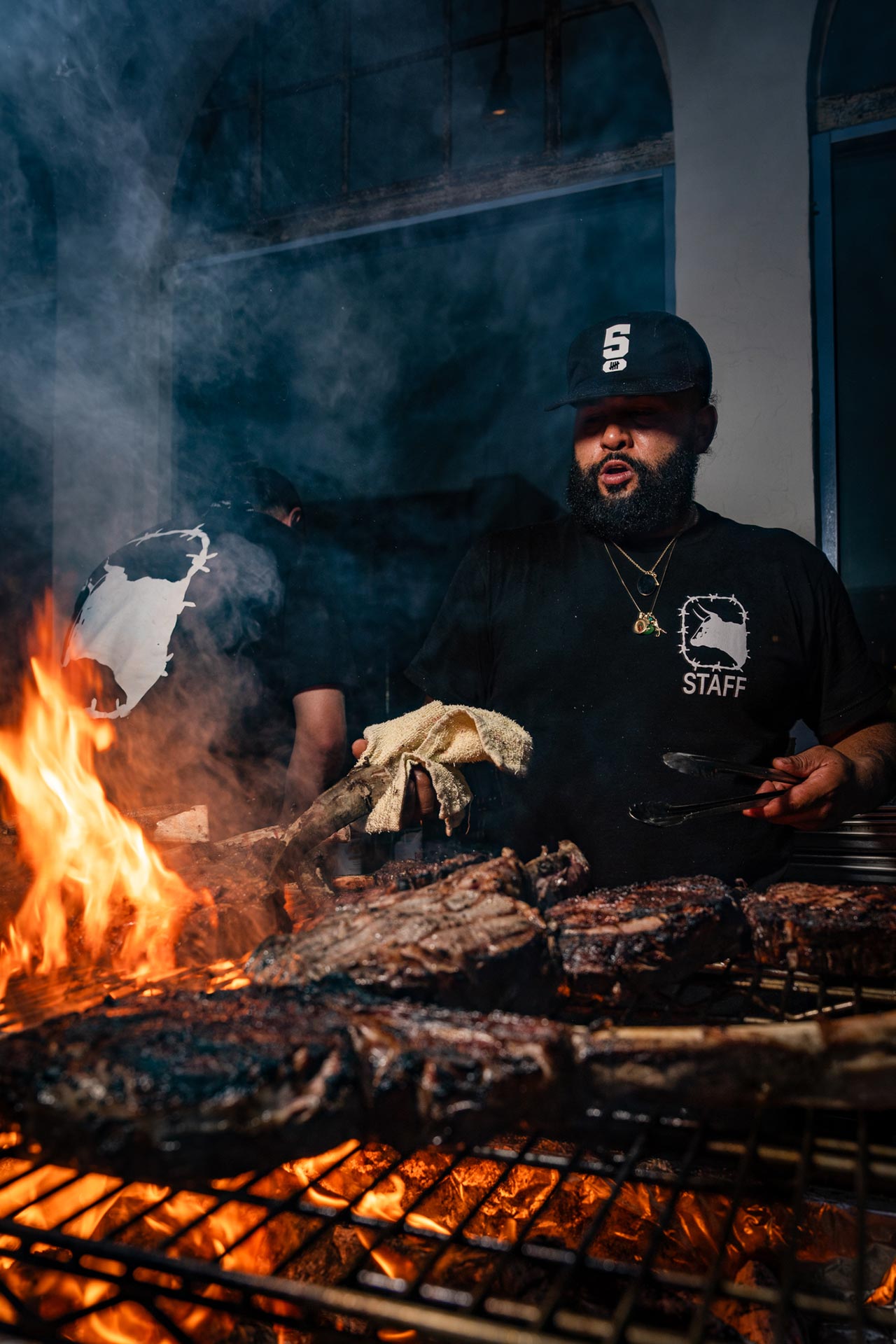
Bacanora pulls from Andrade’s childhood memories at his family ranch in the Sonoran Desert, where open fire cooking was the way of life. Coffee, tortillas and carnitas all took their turns over flames built from local mesquite wood.
“It's the oldest way of cooking food. Many chefs and restaurants are using this technique, which is great, but it's what I was raised on, it's not a trend for me, it's the only way,” he says.
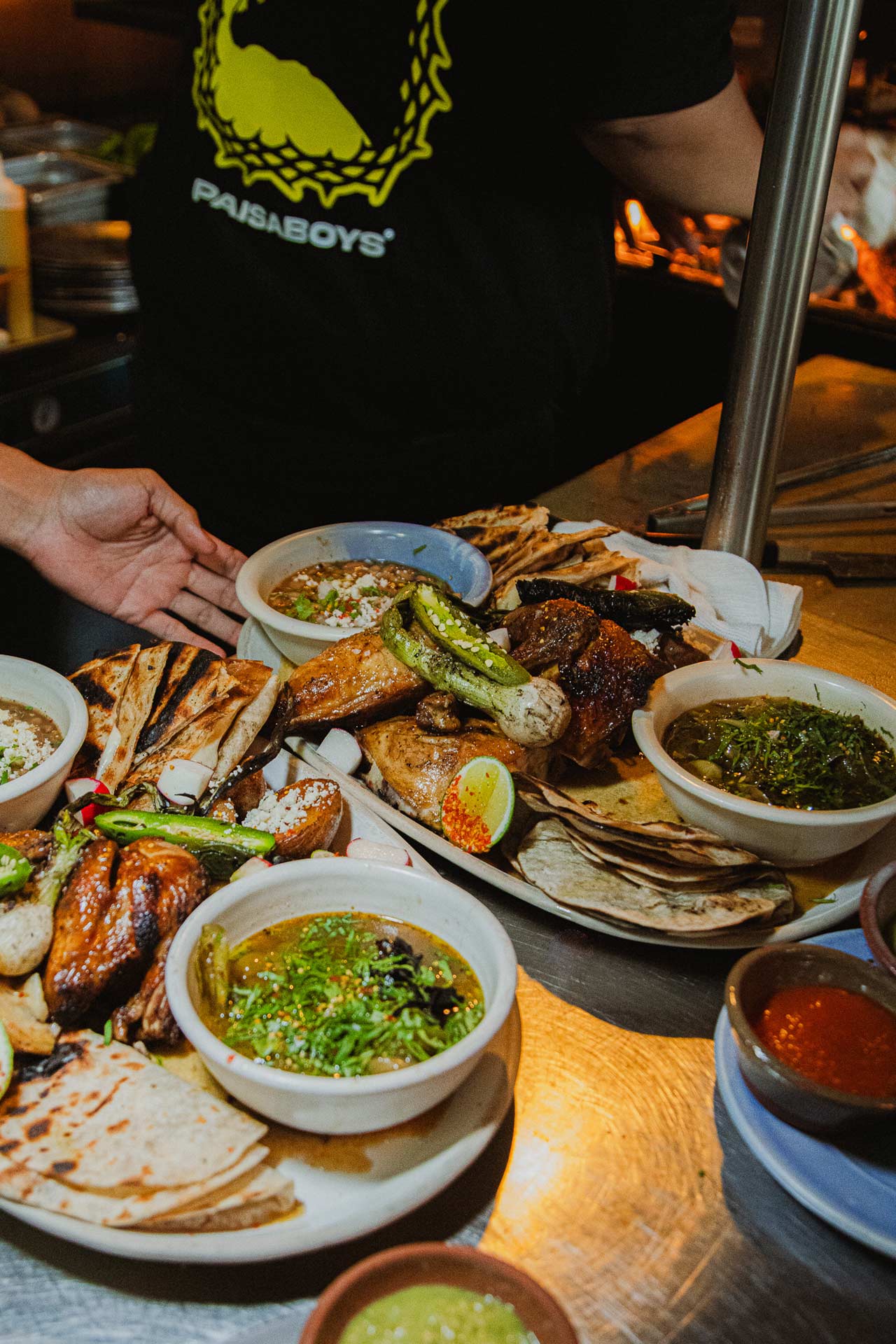
In Phoenix, his Sonoran specialities are striking chords with a population of diners with similar binational heritage. The beans, a rich, brothy side, are a simple but powerful example.
The pintos, cooked low and slow all day with herbs and chiles, come out plump and complex — a most flavorful expression of the humble food.
“The reaction on people's faces when they eat the beans never gets old. It’s always the same reaction from guests: ‘This tastes like my grandma made them,’” he says. “That's all I need to keep going.”
In a lightly edited interview below, Andrade details more of the flavors from his childhood that inspire him and shares the kitchen philosophies that he’s carried with him throughout his career.
Tell us about the concepts at Bacanora and Huarachis. What did you want to create when you opened them?
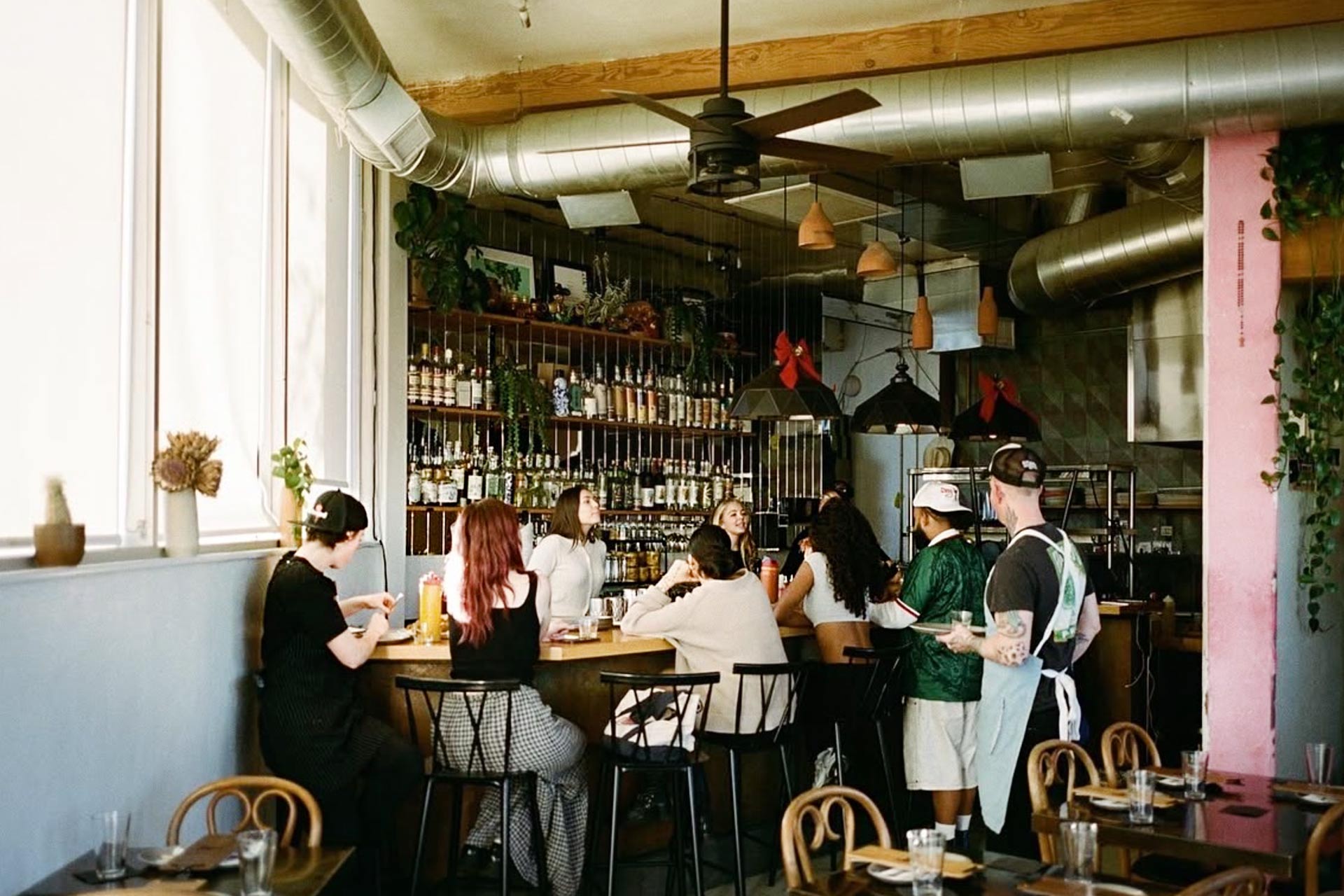
Bacanora was created out of necessity. I needed to create a space where I felt like I belonged, a place built from my best memories from childhood — a time spent in the kitchen, around the fire.
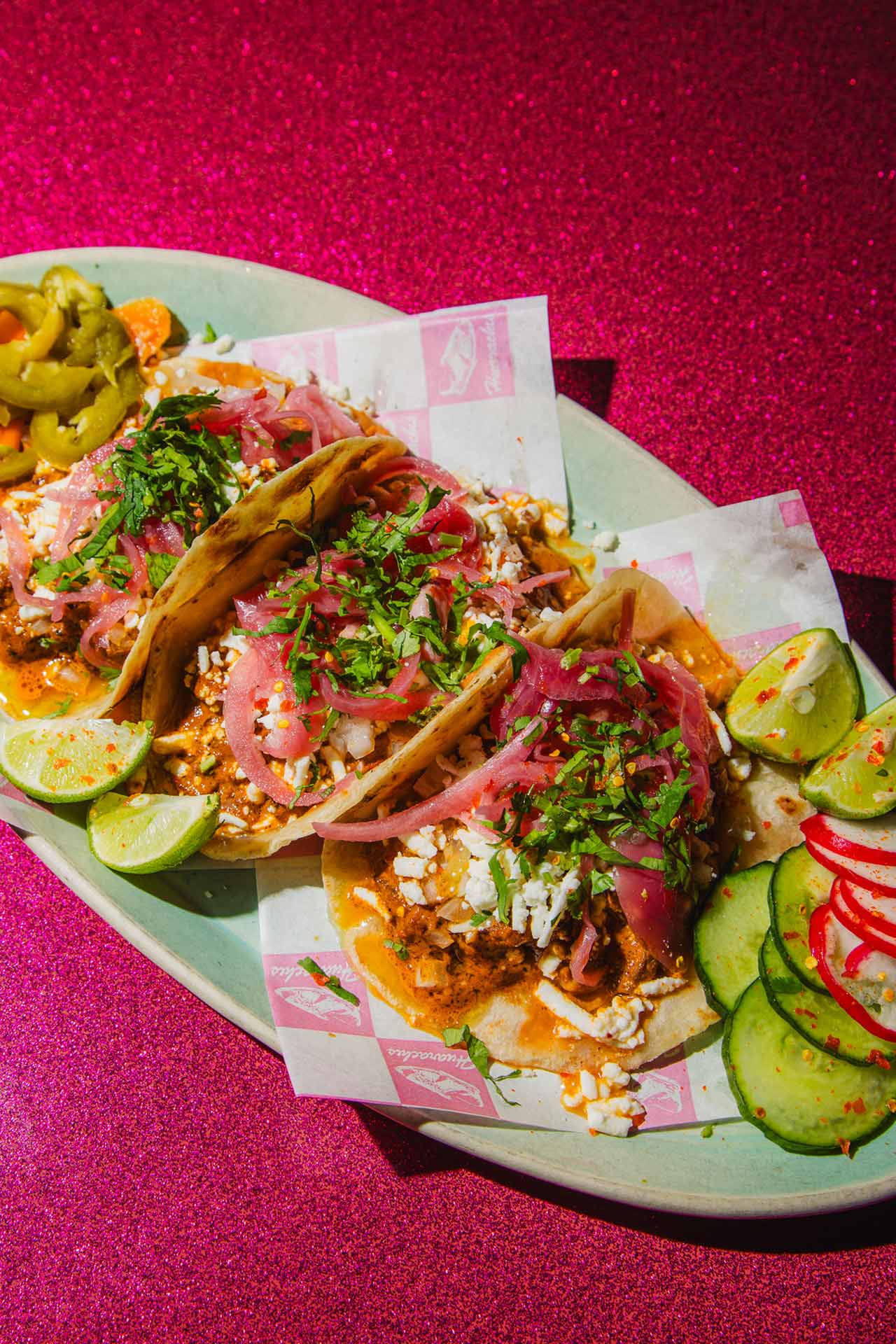
Huarachis gave us an opportunity to deliver more food and experiences to more people. Bacanora is small, making reservations difficult. Huarachis allowed us an additional space to serve more people, more frequently. The same quality, technique and energy are present at both. Also, Sonoran tacos were underrepresented in Phoenix. We focused on Sonoran beans, quesadillas and flour tortillas.
You represent Sonoran cooking so well. Tell us about the cuisine and why you like working with it.
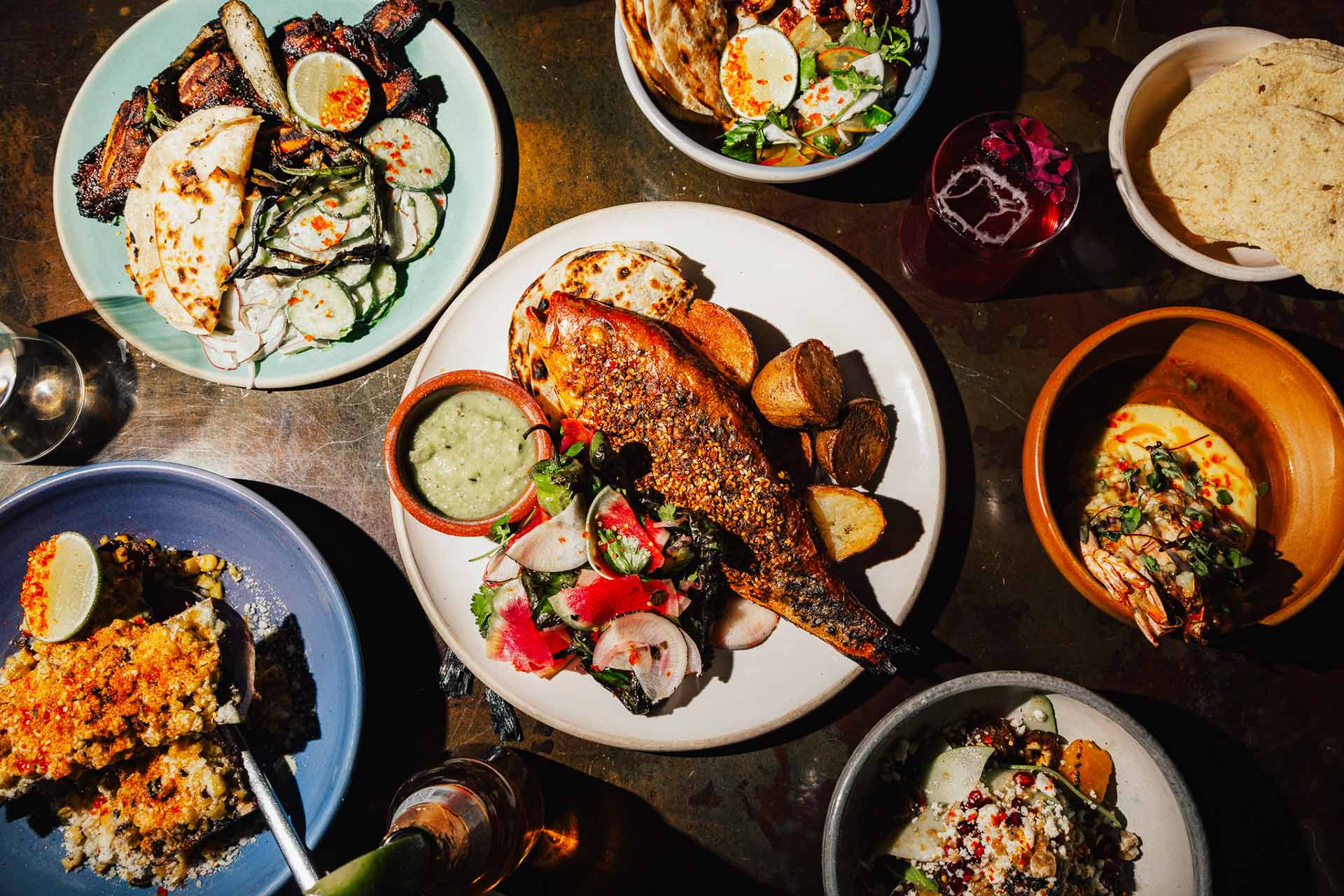
It's one of the richest cuisines in the world. It's an underdog region that is overlooked. Sonora produces beautiful beef, vegetables, chiltepin, beans, flour tortillas and bacanora. The desert doesn't recognize borders. It's my duty to showcase those ingredients and the Sonoran style in Phoenix, Arizona, the Southwest and beyond.
I must mention my obsession with open fire cooking. The mesquite trees are special, they are the center of my cooking. My family, aunts, grandma, everyone cooked over open fire for everything — coffee, tortillas, carnitas, etc.
Tell us about a dish on one of your menus that reflects your style of cooking.
The beans — humble, simple, yet complex and rich — connect me to my memories, the connection with my grandma and the presence of beans throughout my life. I've evolved this recipe over time and perfected it.
The whole beans are cooked all day low and slow. The reaction on people's faces when they eat the beans never gets old. It’s always the same reaction from guests: "This tastes like my grandma made them." That's all I need to keep going.
Have you had any philosophies about cooking and restaurants that you’ve kept in mind as you’ve worked your way up?
Leave it better than you found it. Contribute, add to the story. Extend hospitality to everyone, not to secure a transaction, but to add to people's experience.
Every person is a bridge to their culture. I have a responsibility to tell the stories of Baviácora, where my family is in Sonora, Nogales [the Mexican border town], the Sonoran Desert, etc.
The idea of restaurants as businesses valuing family and loyalty started when I was a kid. Now I get to show that to Phoenix and the world through my businesses.
How did you get your start in the culinary world? And what other restaurants did you work at before Bacanora?
It wasn't the start, but a memorable experience was during a trip to Switzerland that shifted my entire perspective. I visited a restaurant called IGNIV by Andreas Caminada, where they presented a regional culture that was so honest and confident. They were resolute in their opinions and perspectives. It was clear as day who they were.
These are some of the chefs I’ve worked with in the past and what they taught me:
Beau McMillan: There is no limit. Be big, be bold and leave a mark behind.
Matt Carter: Care about the product, technique, seasoning. Care, care, care. Have a standard and uphold it.
Chris Bianco: Be true to myself, cook my food and don’t impersonate others.
Lucho Martínez: Challenge the boundaries and give my best. His palate is extraordinary. He inspired me to represent the richness of Mexico through its people, ingredients and culture. He advocates deeply for the Mexican state of Veracruz, and I want to emulate that for Sonora.