Infrastructure
Developments Driving the Surge in Tourism
A major factor
behind the dramatic rise in tourism to Varanasi has been the city’s considerable
investments in infrastructure. Over the past few
years, several high-profile projects have improved the overall visitor
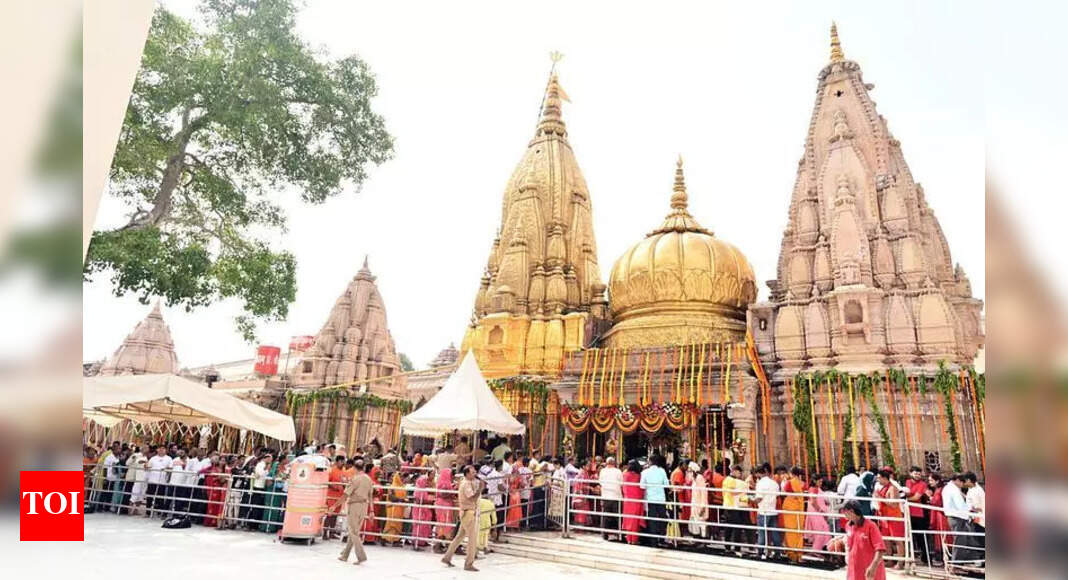
experience, particularly the Kashi Vishwanath Corridor.
This iconic development has significantly improved access to the Kashi Vishwanath Temple, one of the holiest sites in
Hinduism, allowing for a smoother and more organized pilgrimage experience.
With enhanced facilities, the temple’s accessibility has been better
streamlined for both pilgrims and
tourists, offering a more comfortable and spiritually enriching experience for
all visitors.
Additionally, the Ganga ghats, which are integral to the spiritual and cultural life of Varanasi, have undergone a dramatic transformation. These ghats, which line the Ganges River, have been modernized and beautified, leading to improvements in aesthetic appeal, safety, and crowd management. The modernization has made these important sites more accessible, ensuring a smoother flow of visitors during peak times of pilgrimage. The Ganga ghats continue to serve as the heart of the city’s cultural activities, further cementing their role as one of the most visited spots in Varanasi.
Enhancements in
Visitor Experience and City Accessibility
In parallel with the physical upgrades to religious landmarks, Varanasi has also invested heavily in improving its civic infrastructure. These improvements include better road networks, enhanced lighting in tourist areas, and the introduction of modern sanitation and tourist facilities. As a result, the city has become significantly more comfortable and accessible, contributing to higher levels of visitor satisfaction. The improvements ensure that tourists can travel between Varanasi’s key sites with ease, creating a more seamless travel experience.
Many visitors,
once they arrive in Varanasi, have
extended their stays or returned for further visits, keen to explore more of
the city’s spiritual and cultural heritage.
The better connectivity provided by newly
upgraded transport systems allows tourists to explore the city with greater
ease, significantly boosting the city’s appeal as a destination for both
domestic and international visitors. Varanasi is no
longer just a city of pilgrimage but a thriving tourism
hub where both spiritual seekers and culture enthusiasts
converge.
The Enduring
Spiritual and Cultural Draw of Varanasi
Despite the
modern infrastructure improvements, the timeless spiritual appeal of Varanasi remains the city’s main attraction. As
one of the holiest cities in Hinduism, Varanasi continues to draw pilgrims seeking moksha (spiritual
liberation). A central part of this spiritual experience is the evening Ganga Aarti ceremony, a captivating ritual
performed on the banks of the Ganges River.
The Ganga Aarti continues to be one of Varanasi’s most unique and powerful attractions,
drawing thousands of devotees and tourists eager to witness the spectacle of
prayers being offered to the sacred river.
Furthermore, the
city offers sacred boat rides on the Ganges, providing a unique opportunity for tourists to
experience the spiritual practices of Varanasi firsthand.
These boat rides allow visitors to witness rituals from a distance and immerse
themselves in the cultural and spiritual essence of the city. In addition to
these ceremonies and rituals, Varanasi’s ancient
temples, such as the Kashi Vishwanath Temple and Durga Temple, are key points of attraction. The
historical significance of these temples, coupled with their stunning
architecture, continues to draw visitors from around the world. The combination
of rituals, sacred sites,
and cultural traditions ensures that Varanasi remains an iconic destination for faith-based tourism.
Global Tourism
Trends and Economic Impact
The surge in
tourism to Varanasi in 2025 reflects the
increasing global demand for faith-based tourism and cultural experiences. As more people look to explore
the spiritual and historical roots of ancient civilizations, Varanasi has become a leading example of how
cities can effectively blend cultural preservation with modern tourism needs. This balance not only
benefits Varanasi itself but also influences tourism trends
globally, as other cities and countries look to Varanasi’s success
as a blueprint for their own tourism development.
The economic
impact of the tourism surge in Varanasi has
been substantial. The influx of tourists has
significantly boosted local businesses, with hotels, restaurants, and tour operators reporting
an uptick in revenue. The demand for local crafts, souvenirs, and other
cultural goods has surged, benefiting the local economy. This influx of revenue
has allowed the city to reinvest in its infrastructure and heritage preservation projects, ensuring continued
growth and sustainability for the tourism sector.
The rise
in tourism has also contributed to changes in global travel patterns. As Varanasi grows in prominence, it is increasingly
featured in tourism packages offered by
international travel agencies, further expanding its reach. The city is now
considered a must-visit destination for
those exploring India, whether they are spiritual
seekers or cultural explorers. Varanasi’s growing
appeal has helped to drive an overall increase in inbound tourism to India, with more travelers eager to experience
the cultural richness and spiritual significance that the city offers.
Looking to the
Future: Varanasi’s Prospects as a Global Tourism Hub
Looking
ahead, Varanasi is well-positioned to continue its rise
as a global tourism destination. The city’s combination
of modern infrastructure and timeless spirituality offers a travel experience
that is unique and difficult to replicate. As Varanasi continues
to develop, it is expected to see even more visitors, drawn not only by
its religious significance but also by the rich cultural experiences it offers. The continued
growth of tourism in Varanasi will likely spur further developments
in tourist infrastructure, making the city even more
accessible and appealing.
However, Varanasi will face the challenge of managing this
growing popularity while maintaining the authenticity of
its cultural and spiritual heritage. The city will need to ensure that crowd management and tourist flow are carefully handled to preserve the
charm and spiritual significance of the
site. Nevertheless, the city’s ability to successfully combine modernisation with tradition provides
a solid foundation for managing future growth. With the right planning, Varanasi’s tourism sector is poised to thrive for
years to come, attracting visitors from across the globe eager to experience
its spiritual and cultural treasures.
Varanasi’s Role in
Shaping Global Tourism
The tourism surge in Varanasi in
2025 serves as a powerful example of how a city can successfully blend heritage preservation with modern infrastructure to create a thriving tourism
hub. As Varanasi continues to grow as a global leader
in spiritual tourism, it offers valuable lessons to other
cities seeking to balance cultural preservation with modern development. The city’s ability to retain
its spiritual significance while improving its
infrastructure has set a precedent for how heritage cities can
embrace modern tourism without compromising their identity.
Looking
forward, Varanasi’s continued rise as a global tourism destination highlights the
increasing importance of faith-based and cultural tourism worldwide. The city’s success in
balancing modernity with spirituality offers a model for cities around the
world to follow, ensuring that tourism growth can be achieved without
compromising cultural and historical integrity. As Varanasi continues to attract visitors from every
corner of the globe, it remains an essential destination for anyone seeking to
experience the spiritual richness and cultural history that the city has to offer.
Tags: Varanasi, India tourism.

