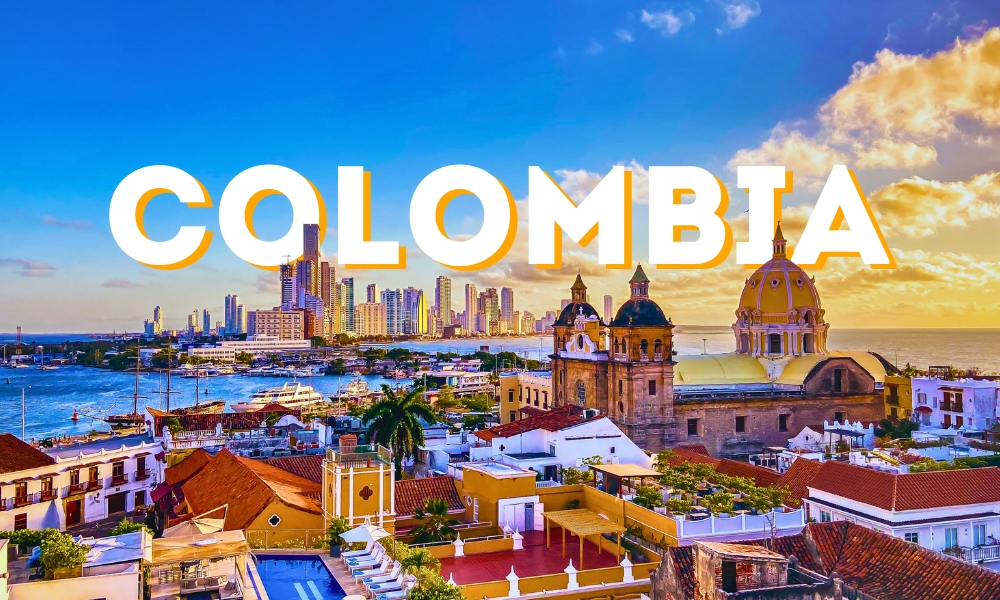
Colombia joins Mexico, Canada, Brazil, Cuba, Saint Lucia, Dominica and more nations in facing travel changes and strict scrutiny in the U.S. as the USCIS Visa Hub goes offline, erasing key data for the last three years, creating new uncertainty for travelers, workers and employers navigating the immigration system. The outage of the USCIS visa data platform has removed public access to employer-level information covering recent fiscal years, making it harder for applicants to verify sponsorship histories and compliance records before visa interviews or international travel. As a result, travelers from Colombia, Mexico, Canada, Brazil, Cuba, Saint Lucia, Dominica and more nations are encountering tighter screening, longer visa processing times and increased documentation checks while U.S. authorities implement stricter immigration enforcement measures.
USCIS H-1B Employer Data Hub Goes Offline Amid “Technical Difficulties”
The U.S. Citizenship and Immigration Services (USCIS)
H-1B Employer Data Hub has recently gone offline, with several key datasets no
longer accessible to the public. Reports indicate that downloadable files for
fiscal years 2024, 2025 and 2026 have disappeared from the platform and the
hub’s search tools and interactive employer map are currently disabled. Pages
that previously hosted the datasets now show “Archived Content” notices dated
July 1, 2025, without any explanation for the removal of the newer files. USCIS
has stated that the hub is experiencing technical difficulties and that teams
are working to restore normal service. However, the agency has not released any
formal report clarifying whether the data were deleted, archived or simply
taken offline temporarily.
USCIS H-1B Employer Data Hub Goes Offline Amid “Technical Difficulties”
The sudden
outage of the U.S. Citizenship and Immigration Services
(USCIS) H-1B Employer Data Hub has raised concerns across
immigration, travel and tourism sectors. The platform, widely used by workers,
employers and analysts to verify employer compliance and visa approval
histories, has temporarily gone offline due to reported “technical
difficulties.” Datasets covering fiscal years 2024, 2025 and
2026 have disappeared from public access, and the hub’s search
tools and interactive maps remain disabled. This disruption coincides with a
broader March 2026 immigration policy reset, including stricter
visa vetting, new financial requirements and heightened border enforcement.
Without the data hub, travelers applying for work visas cannot easily confirm
whether their employer has a history of denials or site-visit violations. This
lack of transparency is creating uncertainty during visa interviews and
international travel planning. Several countries across the Caribbean and the
Americas—including Antigua and Barbuda, Dominica,
Saint Lucia, Brazil, Cuba, Colombia, Mexico and Canada—are now
facing travel disruptions as immigration policies tighten and documentation
requirements grow more complex.
Colombia – Social Media Screening Extends Visa Processing
Colombian travelers are experiencing longer visa processing times after the introduction of enhanced vetting procedures requiring five-year social media background checks. These checks have significantly increased administrative processing delays, transforming what once took days into waits of several months. Professionals in the technology and research sectors are particularly affected because employers often advise them not to travel abroad until their visas are renewed. The outage of the USCIS H-1B Employer Data Hub complicates the process further by preventing applicants from easily confirming employer sponsorship records before traveling.
|
Country |
Key Policy Change |
Screening Requirement |
Travel Impact |
Professional Consequences |
|
Colombia |
Enhanced
visa vetting rules |
Five-year social media audits |
Longer
visa waits |
Delayed
professional travel |
Mexico – Border Security and Visa Enforcement Tighten

Mexico plays a
critical role in U.S. border security and migration management, and recent
immigration policy shifts have increased scrutiny along the border.
Intelligence alerts have warned that foreign actors could attempt to exploit
border crossings to move equipment or drone components into North America. As a
result, surveillance and security checks at border regions have intensified.
Travelers crossing between Mexico and the United States may face longer
processing times and stricter inspections. The outage of the USCIS H-1B Employer Data Hub also affects
professionals who travel to Mexico for visa renewals or interviews because they cannot verify
employer compliance records beforehand. This situation may lead to longer visa
processing delays and additional questioning at consulates.
|
Country |
Key Policy Change |
Security Measures |
Travel Impact |
Additional Concerns |
|
Mexico |
Increased border security and immigration enforcement |
Enhanced
inspections and surveillance |
Longer wait times at crossings |
Visa
interview uncertainty |
Canada – Border Scrutiny Increases for H-1B Travelers

Canada is also
experiencing ripple effects from the 2026 immigration policy reset. Many
foreign workers travel to Canada to renew or revalidate U.S. visas using
the automatic revalidation rule. However, U.S. authorities
have tightened enforcement of the rule, leading to increased secondary
inspections at major land crossings such as Peace Bridge and
Windsor–Detroit. With the USCIS H-1B Employer Data Hub
offline, travelers may struggle to provide proof of employer
compliance during border checks or visa renewals. As a result, professionals
crossing between Canada and the United States face longer wait times and
additional documentation requirements.
|
Country |
Key Policy Change |
Border Enforcement |
Travel Impact |
Additional Risk |
|
Canada |
Stricter
visa revalidation scrutiny |
Increased inspections at land ports |
Longer
crossing times |
Greater
documentation checks |
Brazil – Immigration Processing Pause Creates Backlogs

Brazilian
travelers are dealing with growing uncertainty after a temporary pause in
immigrant visa processing introduced in early 2026. The measure has created
large backlogs at U.S. consulates in São Paulo and Rio de Janeiro,
with interview wait times approaching a year in some cases. While short-term
travel visas remain available, professionals and students planning long-term
migration to the United States face major delays. The outage of the USCIS H-1B Employer Data Hub makes it harder for
applicants to research employer approval histories before applying, which may
discourage workers from pursuing opportunities abroad. Travel analysts warn
that this uncertainty could slow talent mobility between Brazil and the United
States.
|
Country |
Key Policy Change |
Processing Issue |
Travel Impact |
Economic Risk |
|
Brazil |
Temporary
immigrant visa pause |
Long
consular backlogs |
Delayed
migration plans |
Reduced
workforce mobility |
Cuba – Employment Visas Remain in Adjudicative Hold

Cuban nationals face continued travel restrictions as the United States expands the use of “adjudicative holds” on employment-based visa petitions. Under this policy, petitions such as H-1B visas may remain pending indefinitely unless special exemptions are granted. This means Cuban professionals cannot rely on predictable processing timelines. The outage of the USCIS H-1B Employer Data Hub further reduces transparency because applicants cannot easily review their employer’s compliance history. For many workers, traveling abroad during this uncertain period could prevent them from returning to the United States if their visa decision remains pending.
|
Country |
Key Policy Change |
Visa Status |
Travel Impact |
Additional Risks |
|
Cuba |
Expansion of adjudicative hold policy |
Petitions
remain pending indefinitely |
Restricted
international mobility |
Risk of losing U.S. status |
Saint Lucia – New UK Visa Requirement Reshapes Travel Routes

Saint Lucia is
facing a major shift in international travel after the United Kingdom
introduced a mandatory visitor visa requirement for
its citizens in March 2026. Previously, Saint Lucian travelers could visit or
transit through the UK without a visa. The new rule requires applicants to
obtain a Standard Visitor Visa before travel, significantly
increasing planning time and documentation requirements. The change affects
students, tourists and professionals who relied on London as a major transit
hub to reach Europe or North America. Combined with the outage of the USCIS H-1B Employer Data Hub, travelers may find it
harder to verify employer sponsorship details before applying for U.S. visas,
adding more uncertainty to international travel planning.
|
Country |
Key Policy Change |
Visa Requirement |
Travel Impact |
Economic Effect |
|
Saint
Lucia |
UK visa requirement introduced in 2026 |
Standard
Visitor Visa required |
Slower travel planning |
Higher
travel costs |
Dominica – New Asylum Agreement Brings Enhanced Vetting
Dominica has entered
a complex travel environment after signing an agreement with the United States
to accept certain third-country asylum seekers expelled from the U.S. The
arrangement allowed Dominica to avoid a full travel ban but introduced stricter
vetting procedures for Dominican travelers applying for U.S. visas. Applicants
now face more rigorous biometric screening and possible visa bond requirements
similar to those imposed on Antigua and Barbuda. The outage of the USCIS H-1B Employer Data Hub adds another challenge
for professionals seeking employment-based visas because they cannot confirm
whether their sponsoring employers are in good standing before traveling.
Tourism officials fear that longer visa processing times and stricter
documentation requirements could discourage travel between Dominica and the
United States.
|
Country |
Key Policy Change |
Security Measures |
Travel Impact |
Additional Challenges |
|
Dominica |
Agreement to accept expelled asylum seekers |
Enhanced
biometric screening |
Longer
visa wait times |
Greater
scrutiny at consulates |
Colombia joins Mexico, Canada, Brazil, Cuba, Saint
Lucia, Dominica and more nations facing travel changes and strict scrutiny in
the U.S. as the USCIS Visa Hub goes offline, erasing key data for the last
three years and complicating visa checks.
Conclusion
Colombia joins Mexico, Canada, Brazil, Cuba, Saint
Lucia, Dominica and more nations in facing travel changes and strict scrutiny
in the U.S. as the USCIS Visa Hub goes offline, erasing key data for the last
three years, creating new uncertainty for travelers and visa applicants. The
disappearance of datasets covering recent fiscal years has removed a key
transparency tool that workers, employers and analysts relied on to verify
employer compliance and visa approval histories. Without access to this
information, applicants from Colombia, Mexico, Canada, Brazil, Cuba, Saint
Lucia, Dominica and more nations may encounter longer processing times,
stricter documentation checks and greater scrutiny during visa interviews. As
authorities work to restore the USCIS Visa Hub and clarify whether the missing
information was deleted or temporarily archived, this situation highlights
everything you need to know about how the loss of key data for the last three
years is reshaping travel and immigration procedures in the United States.
Tags: USCIS Visa Hub USCIS H-1B Employer Data Hub strict scrutiny in the U.S. visa interviews Destinations