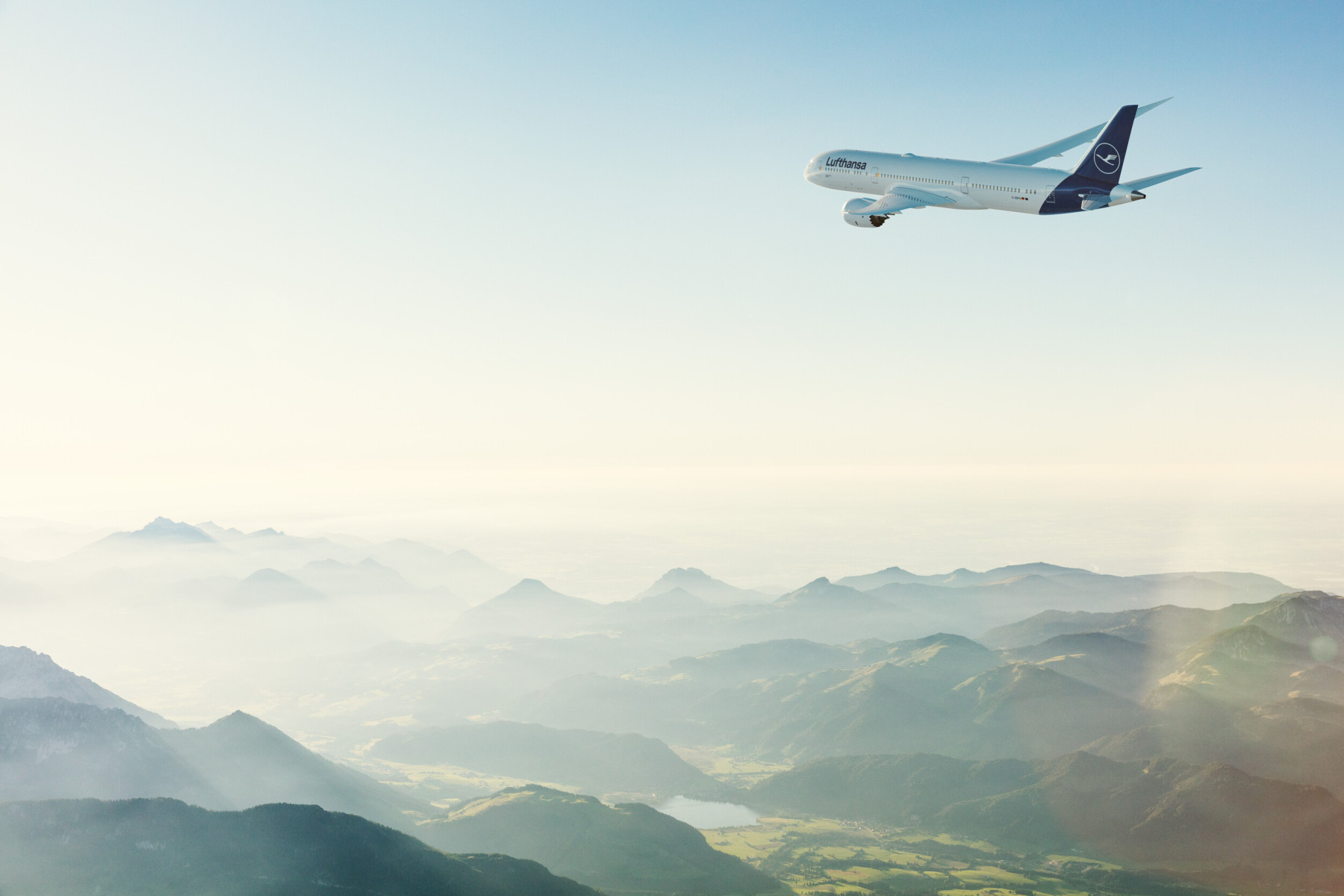
Just in time for the upcoming summer travel season 2026, the Lufthansa Group is once again expanding its portfolio of offerings for more sustainable flying. Tour operators can now book the new “TO Green” fare. The offer was developed in response to the growing demand for more sustainable booking options - especially for private travel. The product is based on the proven Green Fares - specially tailored to the needs of tour operators.
Dieter Vranckx, Chief Commercial Officer of the Lufthansa Group, says: "The growing demand for our more sustainable flying options confirms that we are on the right track. Every contribution from our passengers increases the use of Sustainable Aviation Fuels in our network and reduces CO₂ emissions. We continuously develop our portfolio to make more sustainable flying even easier and more attractive. We are demonstrating that this is not just a vision, but already an established option today."
The Green Fares introduced in spring 2023 have played a key role in raising awareness of more sustainable travel options and making them more attractive. To date, more than four million passengers have opted for a Green Fares ticket, making an important contribution to more sustainable travel. Green Fares are special fares that include a contribution to saving future CO₂ emissions in the amount of the estimated individual flight-related CO₂ emissions, in addition to other features. Since the end of January 2026, the Green Fares have also been available for group bookings of more than nine people on long-haul flights operated by Lufthansa Group Airlines in all travel classes.
More sustainable offers for corporate customers and freight transport
Corporate customers also benefit from the Lufthansa Group's offers. For example, companies can purchase larger quantities of SAF through so-called SAF bulk deals. With an investment of €2,000 or more, they receive a Scope 3 certificate for CO₂ savings in accordance with the Greenhouse Gas Protocol Standard. This not only strengthens their company's commitment to the environment but also promotes the further development and use of SAF in the aviation industry. Across all corporate customer products, more than 1,680 companies worldwide have invested in SAF with the Lufthansa Group in 2025.
Lufthansa Cargo corporate customers can also opt for more sustainable freight transport with the “Sustainable Choice” add-on service. The optional service can be easily booked via the Lufthansa Cargo homepage and combines the subsequent use of SAF with a contribution to high-quality climate protection projects. Logistics companies are also increasingly concluding SAF bulk deals, which Lufthansa Cargo offers for purchase quantities of 100 metric tons of SAF or more.
Five levers of the Lufthansa Group for more sustainable flying
The diverse range of offers for private travelers and corporate customers, together with fleet modernization, continuous improvement in fuel efficiency in flight operations, the use of Sustainable Aviation Fuel (SAF), and the expansion of intermodality, are one of five levers with which the Lufthansa Group is promoting more sustainable flying. In addition, the Lufthansa Group has been actively supporting global climate and weather research for more than 30 years.
Background: Use of Sustainable Aviation Fuel (SAF) and the Lufthansa Group's climate project portfolio
Through the options offered by the Lufthansa Group for more sustainable flying, customers support both the use of SAF and climate protection projects in the Lufthansa Group's home markets and other countries around the world. The Lufthansa Group ensures that the required amount of SAF is fed into the airport infrastructure within six months of purchase. SAF is a so-called “drop-in” fuel: SAF is compatible with fossil kerosene and can be easily blended with it. Booking an option for more sustainable flying does not result in individual SAF refueling of the booked flight but supports the comprehensive use of SAF in the Lufthansa Group's route network. Viewed over its entire life cycle, the SAF used by the Lufthansa Group, which is made from biogenic residues, has an annual average CO₂ footprint that is at least 80 percent lower than that of conventional kerosene made from fossil crude oil. SAF, which is part of the Lufthansa Group's offerings for customers for more sustainable flying, is purchased by the Lufthansa Group in addition to mandatory SAF quotas.
All projects in the Lufthansa Group's climate project portfolio are certified according to the highest available standards – for example, the “Gold Standard,” which is recommended by the German Environment Agency, among others. These projects prevent CO₂ emissions outside the aviation industry or remove them from the atmosphere. The portfolio also includes technology-based projects. In this way, the Lufthansa Group aims to promote the development of new technologies and offerings with long-term binding of CO₂.
Tags: Dieter Vranckx, Lufthansa Group

