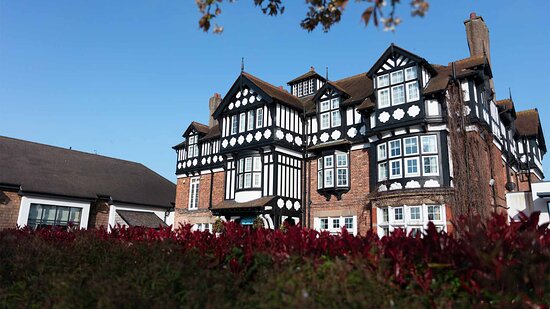
Owned by the property investment firm End, this
180-key hotel will be set in an underused office building and is going to be
one of the landmarks in the Square Mile, designed by Studio Moren, one of the
leading practices in architecture and interior design. The design will have to
strike a sensitive balance between heritage conservation and contemporary
design to provide a unique luxury offer that showcases the Victorian character
of the building and integrates today’s discerning traveler’s needs into it.
Reviving Heritage with a Contemporary Touch
The project’s
vision is to celebrate heritage through sensitive adaptation, ensuring the original
architectural features of the building are preserved while introducing
contemporary elements. Studio Moren’s design seeks
to blend the historic character of the
structure with modern hospitality requirements,
offering a seamless transition between past and present.
At ground level, the hotel will feature a publicly accessible lounge, restaurant, café, and bar, enhancing its connection to the surrounding streetscape. These spaces will not only enrich the building’s relationship with the local community but also contribute to the area’s wider public realm. This integration of public and private spaces reflects a modern approach to urban hospitality, where the hotel serves as both a destination and a part of the living city.
Preserving Architectural Integrity with Modern Adaptations
The development
will preserve key elements of the building’s original fabric,
including its marble-clad street-level façade, staircases, and cast-iron columns.
Lost architectural features, such as decorative plaster ceilings, chimney breasts, and segmental arches,
will be reinstated, strengthening the building’s Victorian identity. These efforts ensure the
preservation of the building’s historic character while
accommodating modern hospitality needs.
A distinctive aspect of the design is a lightweight metal roof extension, which draws inspiration from the building’s existing segmental arches and echoes the architectural forms of the nearby St Clement’s Church. This roof extension will allow the development to blend harmoniously with the historic environment, maintaining a respectful balance between old and new.
Sustainability and Modernity Combined in Hotel Development
Studio Moren has taken a sustainability-first approach
in the hotel’s design. The project aims to retrofit and reuse the
existing listed structure while integrating low-carbon material specifications and
efficient HVAC systems. Sustainability initiatives include the
installation of roof-mounted photovoltaics, rainwater harvesting, window planters, and
a biodiverse green roof. These measures are designed to
ensure the project minimizes its environmental footprint, targeting a BREEAM Excellent rating—a leading sustainability
certification.
Bryan
Oknyansky, head of sustainability at Studio Moren,
highlighted that embedding sustainability principles from
the outset helped streamline the planning process, improving environmental
outcomes through close collaboration with stakeholders. This commitment to
sustainability is part of the broader trend in hospitality
development, where eco-conscious design is becoming an integral
aspect of creating spaces that are both functional and environmentally responsible.
A New Chapter in Heritage-Led Hospitality
The project is
poised to be a model for heritage-led hospitality developments,
showing that historic buildings can
be adapted and reinvigorated for
modern use without compromising their architectural integrity. Mark Wood, partner at Studio Moren,
emphasized that this approval demonstrates how historic structures can grow and
evolve naturally within their context while offering an exceptional guest experience rooted in craft, character, and local history.
The completion
of this hotel marks an important development for JMK Group, whose wider portfolio includes a range
of hotels, properties, and coffee
houses across London and Ireland. This new project further solidifies the
group’s focus on heritage-led hospitality in
prime urban locations, demonstrating how public-private partnerships can
create sustainable, iconic destinations that
resonate with both local communities and international visitors.
Looking Forward: Future Growth of Heritage-Driven Hospitality
The completion
of this project signals a larger trend in the hospitality sector,
where heritage-driven developments are becoming
increasingly important in both preserving the character of cities and meeting
the demands of modern travelers. The success of this hotel conversion will
serve as an important case study for future developments, showing how sensitive adaptation of heritage buildings can support sustainable tourism while offering cutting-edge
facilities.
With growing
interest in design-led, sustainable hotel developments, this project will
likely set the standard for future hospitality investments in prime urban locations, where there is both a need to
preserve historical integrity and integrate modern amenities for the evolving tourism market. It will serve as an important model for
cities globally, where the balance between heritage and modernity is key to creating enduring and successful tourism destinations.
As global tourism continues to expand, the trend
of heritage-focused hospitality will see further
growth. The hotel industry is evolving to prioritize sustainability, cultural preservation,
and local authenticity—a combination that appeals to modern
travelers who seek unique and meaningful experiences. With this project as an
example, future hotel developments are likely to follow suit, emphasizing integrated design that meets the needs of both
today’s guests and the legacy of the past.
A Blend of History and Modernity for a Bright Hospitality Future
The Grade II-listed Victorian hotel project in the
heart of London, undertaken by JMK Group, is a forward-looking approach to
heritage-led hospitality that weaves in some of the greatest principles of
sustainability, modern design, and a deep respect for historical architecture.
It not only further strengthens London’s tourism offering but also contributes
to the growing global movement of eco-conscious, design-led hotel developments.
This development will help define the future of city tourism at a point where
the protection of cultural heritage meets the needs of contemporary travelers
in harmony and with sustainability.
With the increased demand for integrated hospitality
developments that demonstrate modern and historical values, it is projects like
this that will continue to shape the future of the hotel industry. The future
of urban tourism is set to thrive, balancing sustainability, innovation, and
heritage conservation to offer guests richer, more immersive travel experiences
while sustaining city growth.
Tags: Bryan Oknyansky Studio Moren Grade II-listed Victorian hotel City of London JMK Group